OUR TAKE
In today’s fast-paced digital world, people decide how they feel about your brand within seconds. That’s why colors in branding matter so much. At Freelance360, we believe colors don’t just make things look nice—they help people feel something.
The right colors can build trust, grab attention, or even influence decisions. Choosing the perfect color palette for your brand isn’t just a design task—it’s part of your brand’s emotional message.
WHAT IS COLOR PSYCHOLOGY?
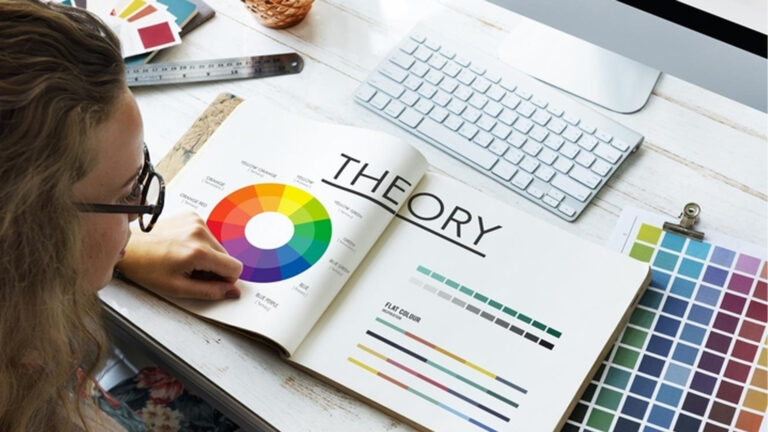
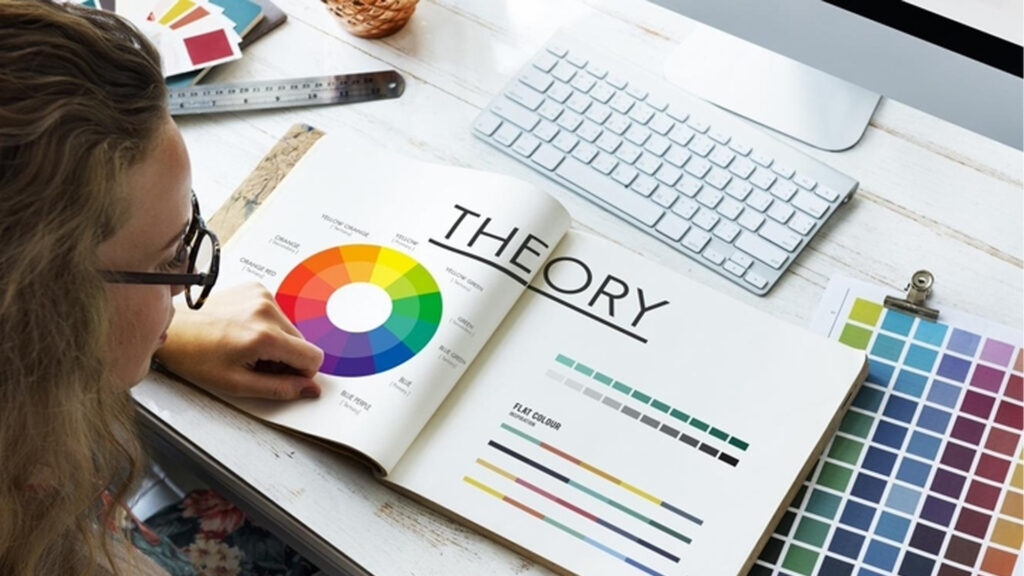
Color psychology is the idea that colors make people feel certain emotions. If your brand knows how color affects people, you can create deeper, stronger connections.
Here’s what different colors often mean in branding:
Red: Excitement, energy, action (great for sales or buttons)
Blue: Trust, calm, confidence (used in tech and finance
Green: Growth, health, nature (perfect for eco-friendly brands)
Yellow: Happiness, attention, creativity (used in food and retail)
Purple: Luxury, imagination, wisdom (common in beauty brands)
Choosing the right color means choosing the right emotion for your audience.
WHY COLOR IS IMPORTANT IN DESIGN (UI/UX)
In web and app design (UI/UX), color isn’t just for looks. It helps with:
Making people want to explore your site or app
Making text and buttons easy to read
Helping people with vision issues
Making your brand easy to remember
Good color choices guide users, make websites more welcoming, and help people enjoy using your product.
COLOR AND ACCESSIBILITY
Good design should work for everyone. That includes people with:
Color blindness
Low vision
Sensitivity to light
Using contrasting colors (like dark text on a light background) helps everyone see and read better. It also makes your site follow modern accessibility rules.
COLOR MEANINGS CHANGE WITH CULTURE
Colors don’t always mean the same thing everywhere. For example:
In the West, white can mean purity.
In some Asian cultures, white can mean mourning.
So if your brand reaches international audiences, make sure your colors match the culture and message.
HOW TO PICK THE RIGHT COLORS FOR YOUR BRAND
Here are some tips for choosing the best brand colors:
1.Know your audience – what do they want to feel?
2.Match your brand personality – are you fun, serious, calm, bold?
3.Test different options – see which color people react to best
4.Stay consistent – use the same colors everywhere
5.Don’t rely only on color – use icons or words to help people understand too
The best colors are the ones that your target audience connects with.
COLORS AFFECT USER EXPERIENCE
Even as design trends change, color psychology stays important. Colors help:
Make your website easy to use
Get users to take action
Build emotional bonds with your audience
As design expert Julia Ross says,
“If the color contrast is too much or poorly chosen, the experience becomes worse for users.”
IN SHORT: TURN COLORS INTO STRATEGY
If you want your brand to stand out and connect with people, understanding how color affects behavior gives you a big advantage. It helps build trust, make your message stronger, and turn first-time visitors into long-term users.